

 By John Cossons, Mortgage & Protection Designer with Anstee & Co.
Proposed EPC Regulation Changes for Buy-to-Let property.
The government has identified that homes across the UK contribute about 1/5 of all carbon emissions from the country so has decided to focus on improving the energy efficiency of homes, especially Buy-to-Let properties and new builds. As part of this, in several recent consultation documents, it has been suggested that the minimum energy efficiency standard (MEES) of residential buy-to-lets should be raised.
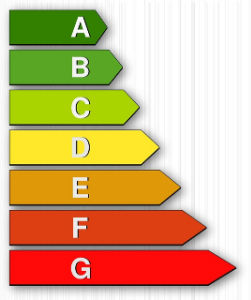
Currently, all buy-to-let properties must have an Energy Performance Certificate (EPC) rating of E or above to be legally let to tenants.
Under current UK guidelines, landlords need to update the EPC at least once every 10 years. Not having an EPC rating that meets the minimum energy efficiency requirements could result in large fines for landlords.
Proposed Regulation Changes
The current minimum energy efficiency standard (MEES) for buy-to-let properties of a band E came into full effect in 2020, however, in a consultation document from late 2020, it was suggested that the minimum EPC rating be raised to a band C for all new tenancies by 2025, and all existing tenancies by 2028.
According to survey statistics published by the Ministry of Housing Communities and Local government in 2021, almost 60% of homes in the UK have a D rating or lower which means this change will affect the majority of landlords in the UK potentially costing them £1,000s in forced property upgrades. The UK Government has released suggested changes and potential costs associated with these changes to reach the new minimum EPC standards. Landlords will need to review their insulation in walls, floors, and windows, as well as potentially install new, more energy-efficient boilers.
Further to these proposals, in a consultation document from June 2021, it was strongly suggested to raise the minimum EPC rating for Buy-to-Let properties to a B by 2030.
What do these EPC regulatory changes mean for landlords?
 The first big issue is the cost. Currently, the cost for EPC improvements for landlords is capped at £3,500. However, this cap will likely be raised to £10,000 for the new EPC minimum. And while there are potential funding options that landlords can reach out to, they are few and far between.
What this means is that landlords will need to get a new EPC rating done with suggested changes for improvements. They will then need to implement these changes at personal cost just to legally keep their property as a buy-to-let. Landlords should keep careful records of all expenses accrued whilst improving their EPC rating using a digital income and expense tracking system. Once you hit the cap, you’ll be able to register for an exemption so that you don’t need to make any further changes at that time and good records will be vital if an exemption from further improvements is to be filed.
With the EPC bar being raised again by 2030, you’ll likely need to spend even more money. As such landlords need to be planning property improvements to spread the cost of these improvements out over the next 8 years.
Are there any exemptions?
There are a few exemptions when meeting the new minimum EPC regulations. Examples of exemptions include:
- if the building is listed and upgrades would unacceptably alter the property’s character or appearance,
- the upgrades or changes required to improve the EPC are not approved by the mortgage lender
- Or the work is carried out and the cost accrued but the EPC rating has not yet reached the minimum energy standard.
If you believe your buy-to-let may be exempt, you can register it on the PRS exemptions register.
How Anstee & Co can help you with EPC Regulation Changes
If you would like to find out more or to look at options on how to fund these changes then please contact us.
We are Independent Financial Advisers which means that the financial advice we offer is unbiased. The initial meeting is at our cost and can be arranged at your home or at our Head Office located at-
- Kettering, Northamptonshire
Additionally, our Mortgage & Protection Designers live and make use of meeting rooms in-
- Bedford, Bedfordshire
- Stamford, Lincolnshire
- Market Harborough, Leicestershire
- Central London
- Towcester, Northampton, Wellingborough, Corby and Thrapston in Northamptonshire.
We make full use of video conferencing facilities such as-
- Zoom
- Microsoft Teams
- Skype
- Facetime
We can also arrange a conference telephone call. So, there is no need to visit an office as all work can be handled remotely. The choice is yours. Our expertise covers all aspects of financial planning including pensions, investments and mortgages.
If you have any thoughts on this article, “If you own a Buy to Let property you need to read this?”, then we would love to hear from you.
 Finally, the information contained in this article is for information purposes only and does not constitute financial advice. Anstee & Co. is authorised and regulated by the Financial Conduct Authority (FCA).

Leave A Comment